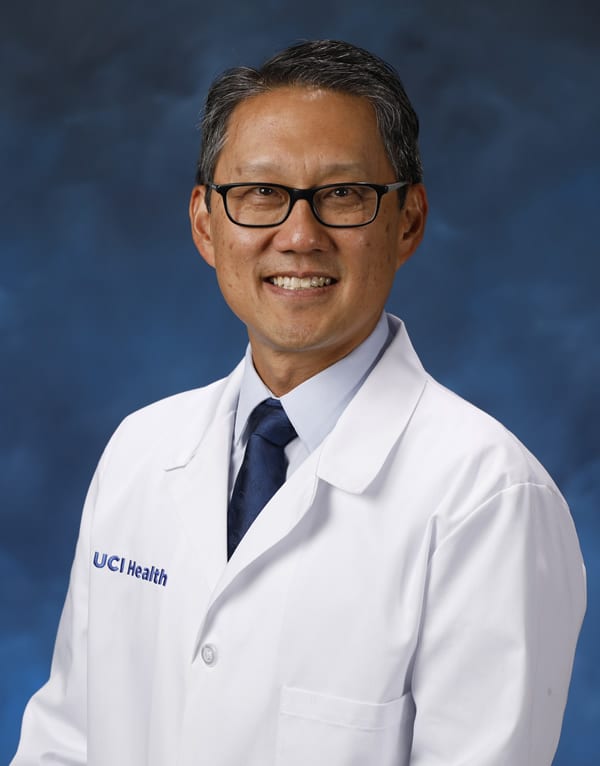
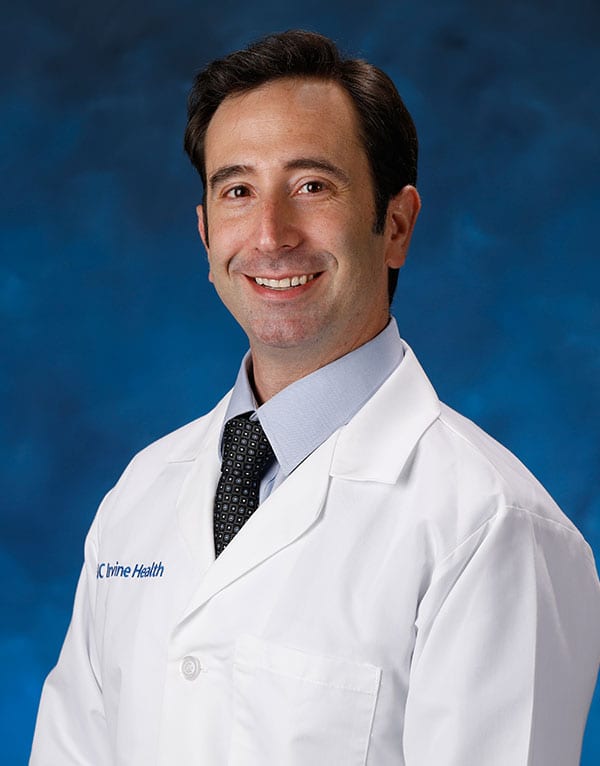
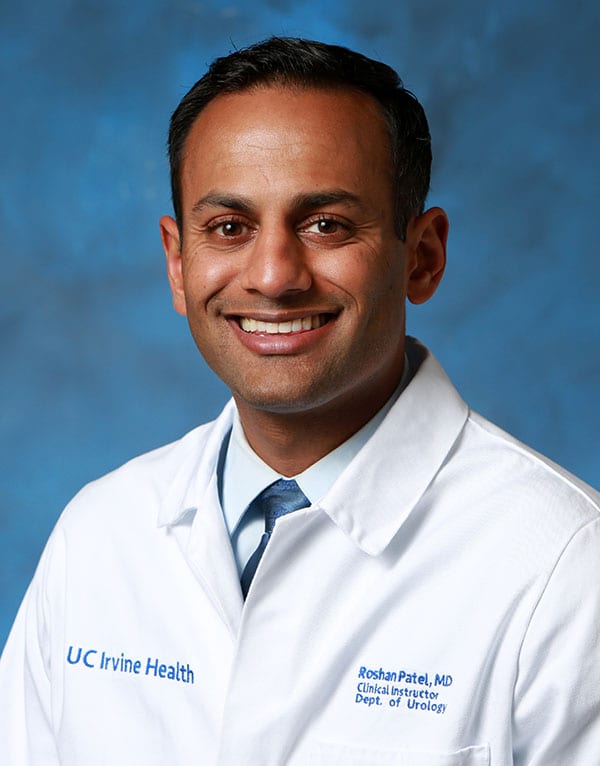
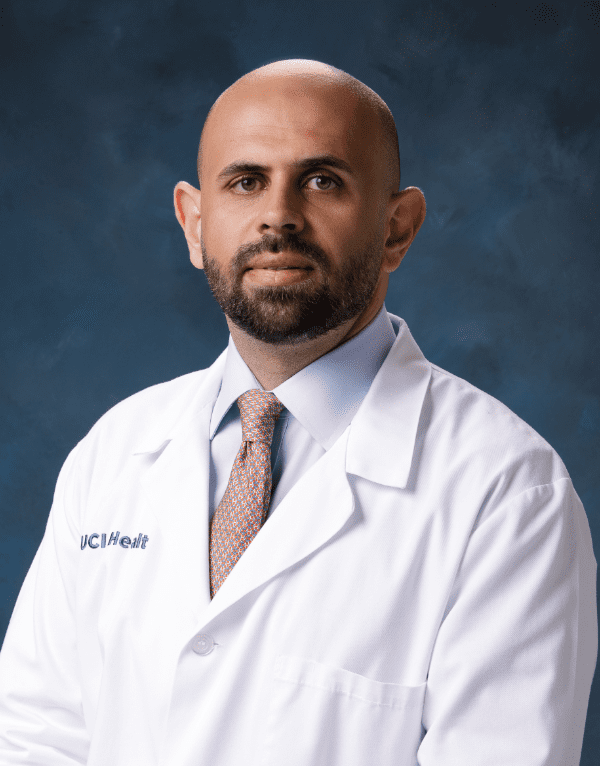
Our team strives to provide patients with comprehensive care and the latest discoveries in education and research, leading to innovative techniques and minimally invasive procedures.
The scientists and physicians on our team regularly lead studies in areas like surgery methods and urologic cancer treatments. We have established one of the largest and most innovative training centers on the nation’s West Coast. Our mission is to discover new advances, teach tomorrow’s healthcare leaders, and heal patients with compassionate care.
Discover
Teach
Heal
About Us
INNOVATIVE TREATMENTS
OFFERED AT UCI UROLOGY
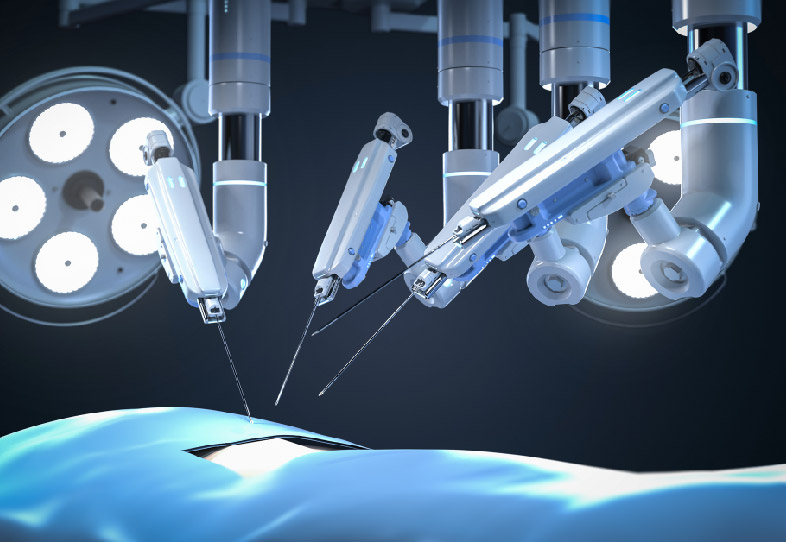
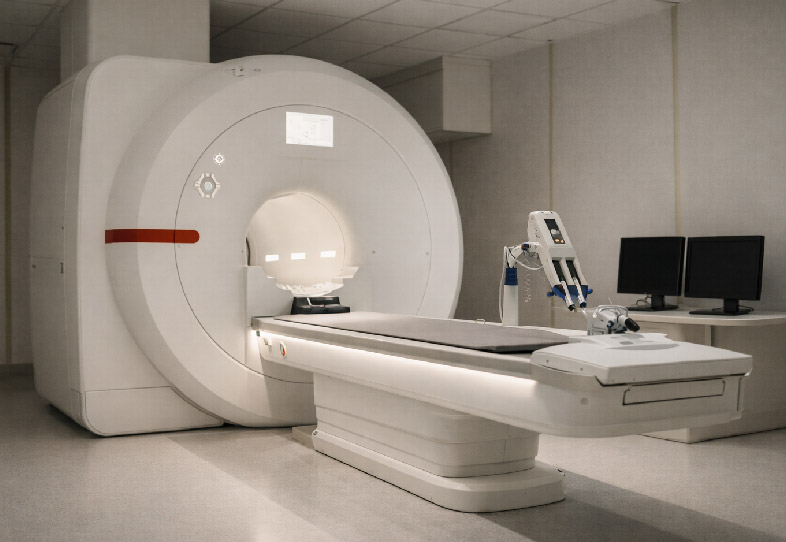
Innovation is at the core of how we diagnose and treat urologic conditions. By integrating advanced imaging, minimally invasive techniques, and precision-guided procedures, we are able to deliver more accurate diagnoses, more effective treatments, and better overall outcomes. These technologies are designed to reduce recovery time, minimize discomfort, and support a higher standard of care across every stage of treatment. Our approach ensures that patients benefit from the latest advancements while receiving care that is tailored to their individual needs.
From state-of-the-art imaging that improves early detection to advanced surgical platforms that enhance precision and control, our technology-driven care model allows for more targeted and efficient treatment. Each innovation we incorporate reflects a commitment to clinical excellence, patient safety, and continuously advancing the field of urology.
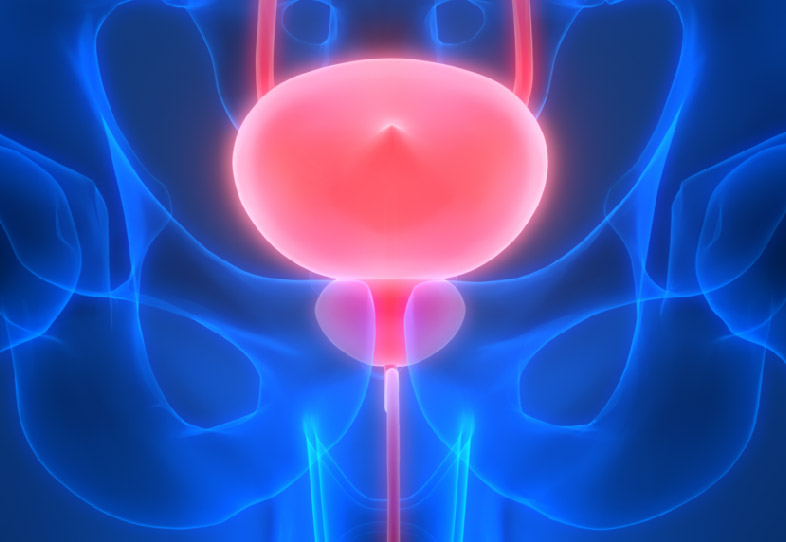
UCI Urology Department offers the best in patient care in a comfortable setting. With the UCI Urology Clinic, patients enjoy customized care and thorough treatment plans with their urologist. The professionals serving at the UCI Urology Hospital work together to find the best treatment plan for you--featuring minimally-invasive techniques whenever possible for male and female urology, as well as a kidney stone center. Visit UCI Urology in Orange County, CA today to receive the best in urological patient care.
discover
discovery through exceptional
research is our passion
One of the largest research awards in the department’s history, the multi-center PCORI-funded OASIS Trial underscores national leadership in outcomes-based urologic research.
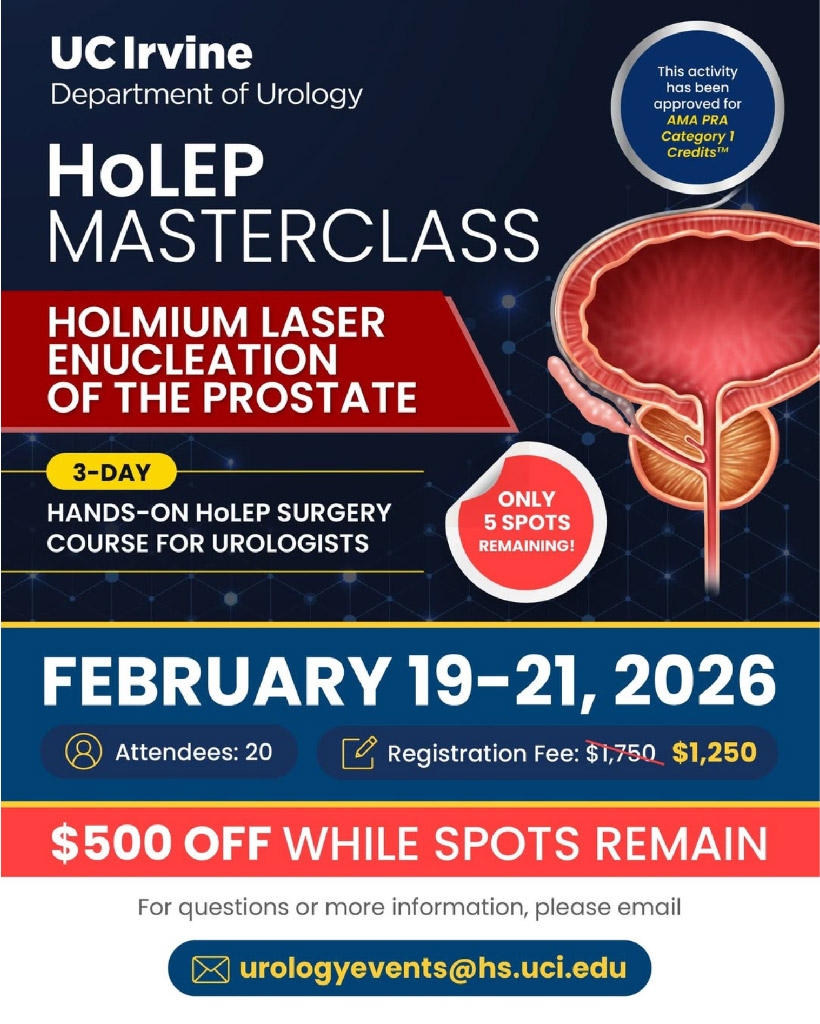
The introduction of Holmium Laser Enucleation of the Prostate (HoLEP) and the opening of the Men’s Health Hub expanded advanced treatment capabilities across urologic subspecialties.
Surpassing 7,000 robotic prostatectomy procedures underscored the depth of surgical experience and program maturity within the Comprehensive Prostate Cancer Program.
UCI achieved national ranking in Pediatric Urology and secured a National Cancer Institute RO1 grant, reinforcing excellence in both clinical and research domains.
Created to advance robot-assisted surgery through specialized research and training, positioning UCI among leaders in minimally invasive urologic oncology.
Established to inspire future physicians, the program has engaged thousands of students across Orange County, reflecting UCI Urology’s broader educational mission.
A 15,000 square-foot, state-of-the-art facility dedicated to surgical training and research was established, reinforcing the department’s commitment to education and innovation.
The appointment of Dr. Clayman marked a pivotal moment in the evolution of UCI Urology, initiating a period of strategic expansion, subspecialty development, and academic distinction.
With the appointment of Dr. Thomas E. Ahlering as Chief, the Division strengthened its academic presence and advanced expertise in urologic oncology, setting the stage for departmental elevation.
Under the leadership of Dr. Donald C. Martin, the Division of Urology developed its foundational clinical and academic framework, establishing the groundwork for long-term institutional growth.