
Urinary Tract Infection

Urinary tract infections (UTIs) refer to any type of irritation that affects the urinary system.
While UTIs often occur in or around the bladder, the kidneys and connecting tubes called ureters are sometimes affected. Some UTIs are a one-time occurrence with mild symptoms.
- However, there are times when urinary tract infections keep returning.
- It’s severe and recurring infections that often require attention from a doctor specializing in urological conditions.
What Causes a Urinary Tract Infection?
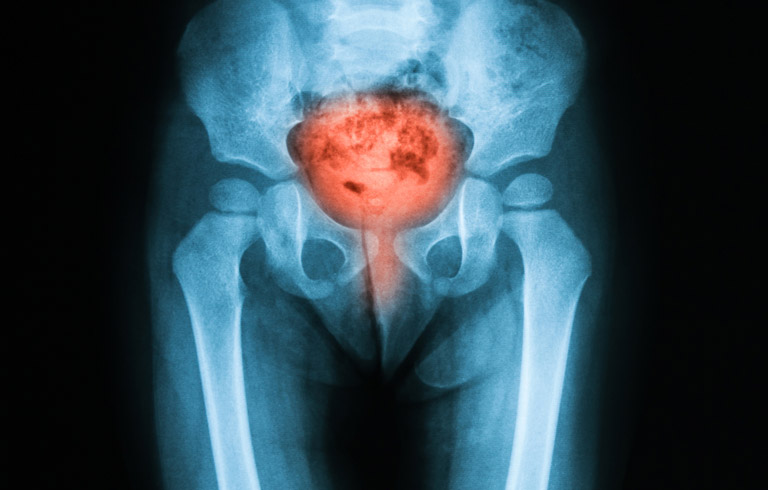
Bacteria that enters the urinary tract is usually what causes a urinary tract infection to develop and spread. Bacteria can also get to this area from the digestive tract and move into the bladder. It’s usually Escherichia coli (E. coli) bacteria that are responsible for UTIs, although other types of bacteria can also cause an infection to develop.
What Causes Recurring UTIs?
Symptoms and Risk Factors
The fact that women have a shorter urethra than men may be part of the reason why UTIs are more common in women than men. Kidney stones and other urinary tract blockages, diabetes and other conditions that may affect the immune system, and regular catheter use are some of the common risk factors that might contribute to a UTI. Other than frequently urinating in smaller amounts, early signs of an infection are sometime minimal.
How is a UTI Diagnosed?
If not treated, urinary tract infections may affect kidneys or contribute to premature or preterm labor in pregnant women. A urine sample can determine if someone has a urinary tract infection. A urine culture is sometimes grown in a lab following a urine analysis to identify the type of bacteria causing the infection so the correct medication can be recommended. An examination of the bladder with a cystoscopy, involving a long tube with a lens attached, may be done to determine the extent of the infection.

How Are Recurring Infections Diagnosed and Treated?
In order to treat recurring UTIs, a urologist typically makes an attempt to identify the underlying reasons why this is happening. Testing may involve a cystoscopy, a CT scan of the urinary tract, and a urine culture. Frequent infections are usually treated with a lower dose of antibiotics taken for a longer period of time. Some patients may be advised to use self-directed antibiotic therapy, referring to the use of antibiotics at the first sign of an infection. Recurring UTIs may also be treated by addressing related problems, such as bladder infections. In rare instances, surgery may be performed to correct a urinary tract that’s abnormally shaped.