Radical Cystectomy (Robot-Assisted)

Discussing-radical-cystectomy

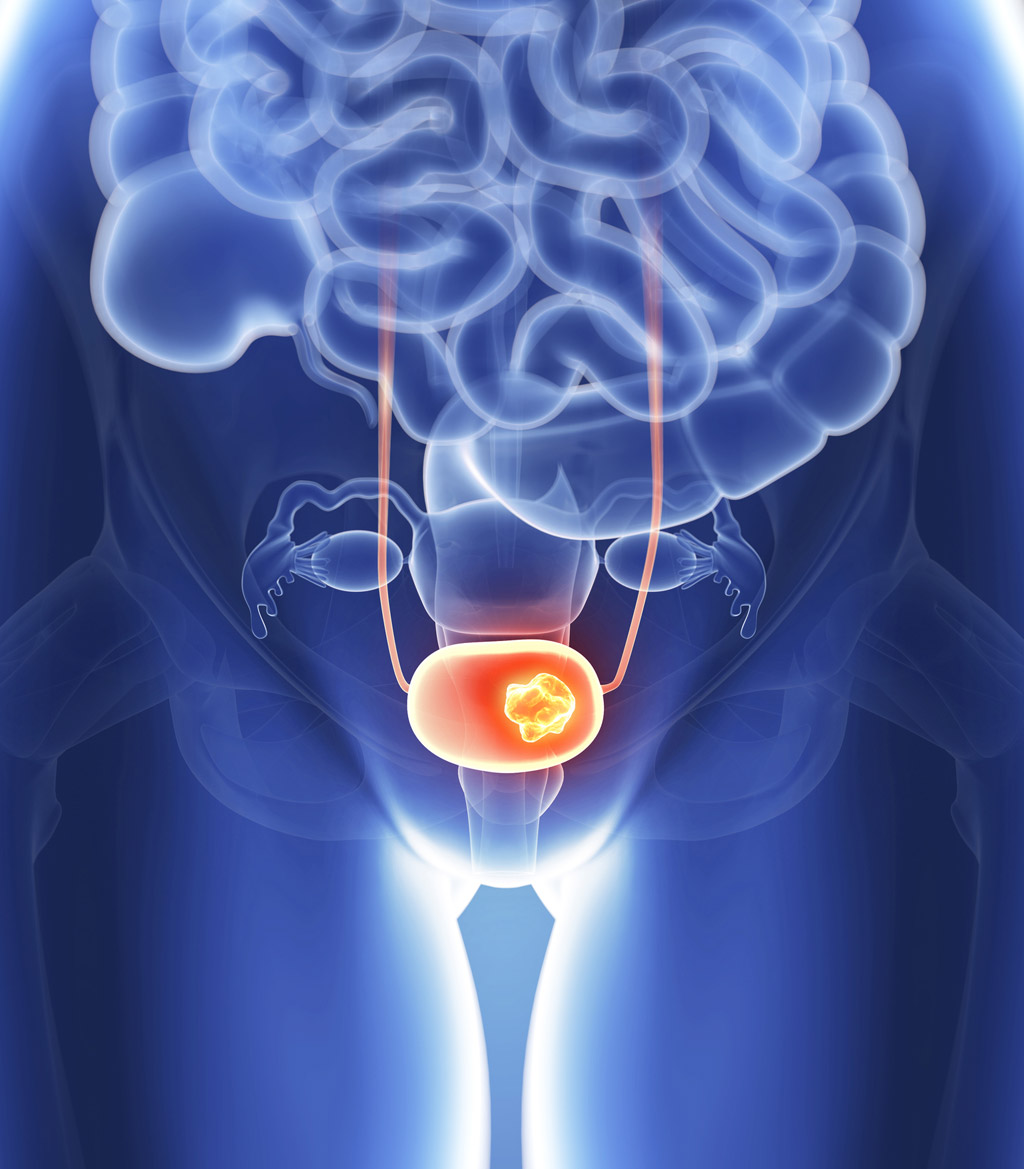
A radical cystectomy is a surgery that completely removes the bladder.

This is a major surgery because of the importance of a bladder in your health. Your kidneys distill urine, which is made of waste products, from your bloodstream.

  • Urine passes through ureters to the bladder before being released from the body.
  • The urethra carries urine from the bladder to the outside of the body.

Understanding Radical Cystectomy

Bladder removal requires alternative urine storage
Sexual organs may also be removed
Nearby lymph nodes are often removed
radical-cystectomy-for-bladder-cancer-1
Because a radical cystectomy removes the bladder, people who have this procedure need another place to collect and store urine. Sexual organs and surrounding lymph nodes are also often removed in this procedure.

Who Is a Candidate for Radical Cystectomy?

A radical cystectomy is usually only performed when there is bladder cancer that is unlikely to be treated by any other means.
1
These cancers are generally ones that extend beyond the innermost lining of the bladder.
2
Some cases involve cancer that has already spread to neighboring lymph nodes and organs.
What to Expect
The bladder and infected nearby tissues are removed.
Nearby lymph nodes may also be removed.
Intestinal tissue may be used to create a neobladder.
The neobladder collects urine before exiting the body.

A radical cystectomy is a complicated surgery that requires a great deal of expertise. Most people who have a radical cystectomy are admitted on the day of the procedure. The surgery itself takes six to eight hours.

Recovery After Surgery

Patients usually cannot eat for one day.
Hospital stays typically last six to eight days.
Pain relief medications are often prescribed.
Medication may also prevent constipation.

In the surgery, the bladder as well as any infected nearby organs and lymph nodes are removed. In most cases, a small amount of intestine is used to make a neo-bladder, a place where urine can collect before exiting the body. Most people cannot eat or drink for at least one day after their surgery. They are generally in the hospital for six to eight days after their surgery. Most people leave the hospital with a prescription for pain relief as well as one to relieve any constipation that the pain relief causes.
radical-cystectomy-for-bladder-cancer-2
Why Choose Robot-Assisted Surgery?
1
Minimally Invasive Approach
Robot-assisted surgeries are often the best choice because they are less invasive and less prone to human error. Six small incisions are made in the lower abdomen to allow ports to be inserted. A small camera, as well as other surgical tools, are inserted through these ports.
2
Surgical Precision
A human is always in charge and controlling the tools, but a robot does the actual motion. This ensures that human errors, such as a small hand tremor, never affect the success of the procedure.
3
Safety and Recovery Benefits
Although a radical cystectomy is a serious surgery, it often saves lives. Choosing a robot-assisted surgery makes the procedure even safer and less invasive. This surgery offers the short recovery time and lower risk of complications that people need to successfully move on with their lives.