Neuromodulation

Neuromodulation can reduce discomfort associated with certain bladder and pelvic conditions.
Neuromodulation is a treatment that uses electrical stimulation to influence nerve activity affecting bladder and pelvic function.
- It may help reduce symptoms of an overactive bladder
- It can address pain or dysfunction in the pelvic region
- It may be recommended when lifestyle changes or medications are not effective
How Neuromodulation Works
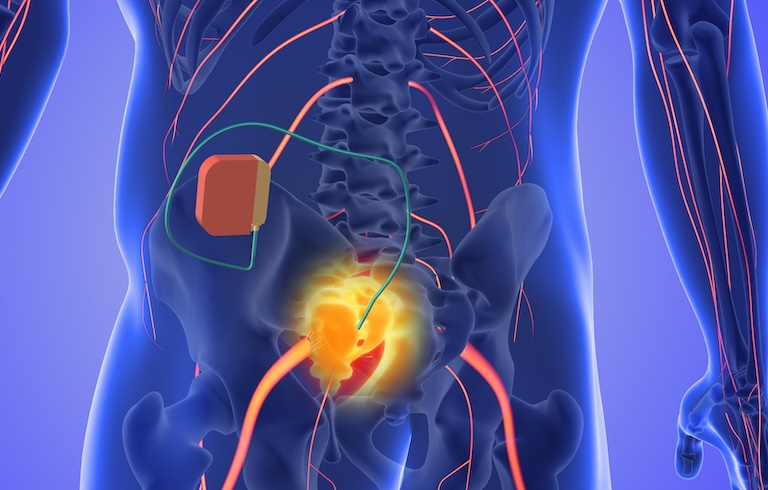
Neuromodulation works by delivering small electrical impulses to targeted nerves or nerve groups that influence bladder, bowel, or pelvic function. These impulses help regulate the signals traveling between the brain and the nerves that control muscles in the pelvic region. By improving communication within these neural pathways, neuromodulation can reduce symptoms such as urinary urgency, pelvic pain, or bowel dysfunction.
Types of Neuromodulation Treatments
Neuromodulation may be considered for individuals whose symptoms have not improved with medications or lifestyle adjustments.
Treatment Methods
Several treatment methods fall under the category of neuromodulation. The least invasive option is often OnabotulinumtoxinA injections, which block nerve signals that cause bladder contractions. Percutaneous tibial nerve stimulation involves weekly sessions where a small electrode placed above the ankle delivers electrical impulses to the sacral nerves. In some cases, a surgically implanted device may be used to continuously stimulate targeted nerves and provide long-term symptom control.