
Pelvic Organ Prolapse
POP is usually caused by added pressure or trauma in the pelvic area.
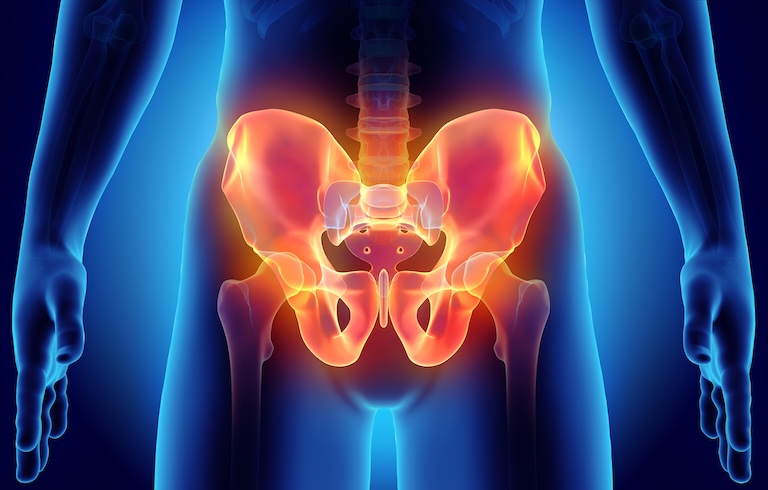
The muscles and ligaments that provide support to the cervix, vagina, bladder, rectum, small bowel, urethra, and uterus (pelvic area) sometimes become weak. When this happens, the structures in this area may move down lower and create a prolapse, or bulge, in the vagina. The condition is referred to as pelvic organ prolapse (POP).
- It’s most likely to occur following some type of trauma in the pelvic area or as a result of childbirth.
- If persistent pressure or discomfort is experienced, there are several treatment options that may resolve the problem.
What Causes Pelvic Organ Prolapse?
Changes associated with menopause sometimes weaken soft tissues. Some women experience POP following surgery for other conditions affecting reproductive or urinary organs. For instance, POP sometimes develops after a woman has a hysterectomy to remove the uterus. Pelvic organ cancers, obesity, and respiratory ailments that lead to chronic coughing are other factors that sometimes contribute to POP.
How Can You Tell If You Have POP?
It’s possible to have pelvic organ prolapse without any noticeable symptoms. When symptoms are experienced, there may be a feeling of pressure in the pelvic area. Some women might notice discomfort during sex, while others may experience urinary incontinence (UI) or see a bulge that extends to the opening of the vagina. Additional symptoms associated with POP include:
How Is It Diagnosed?
A pelvic exam is usually done to determine if pelvic organ prolapse has occurred. Medical history and findings from a physical examination are also considered during diagnosis.
Non-Surgical Treatment Options for POP
Treatment will depend on the extent of prolapse and the symptoms experienced. Some patients benefit from Kegel exercises and similar behavior treatments. In some situations, support for the bulging or dropped organs may be provided with a pessary, a device that’s inserted into the vagina.