Polycystic Kidney Disease
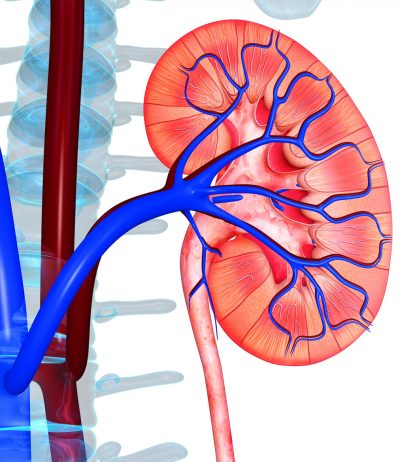
Polycystic kidney disease is an inherited disorder.
Polycystic kidney disease is characterized by cyst clusters developing within the kidneys. Over time, the function of the kidneys starts to decrease, and they can become enlarged. The cystic growths are not cancerous.
- Some of them can become quite large, however, resulting in the risk for potential kidney damage.
- It is also possible for cysts to occur elsewhere in the body, such as in the liver.
Causes

There is an autosomal dominant and an autosomal recessive form of this condition. Both are inherited. The recessive type generally starts to cause symptoms early in life where the dominant type may not expose itself until later in adulthood, usually between 30 and 40 years of age. Abnormal genes are responsible for causing this condition. However, there are rare cases where a gene mutation is spontaneous. This means that a person develops the condition without their parents passing down the disease. For a person to develop the dominant type, only one parent has to carry the disease, but with the recessive type, both parents must carry it. Approximately 90 percent of cases are the dominant type.
Symptoms
There is no cure for this condition. Instead, treatment is focused on controlling a patient’s symptoms as much as possible. Since high blood pressure is a common symptom, medications and lifestyle changes to control it are commonly prescribed. The most commonly prescribed types are referred to as angiotensin II receptor blockers or angiotensin-converting enzyme inhibitors. Regardless of the type used, side effects may include dizziness, headache, fatigue, constipation, and diarrhea.
Pain Management and Surgical Options
The lifestyle changes that may help include a diet low in sodium and fat, losing excess weight, exercising regularly, not smoking and reducing stress. The side and back pain may be helped by pain medications. In most cases, doctors prescribe acetaminophen. However, in the rare case where pain is constant and severe, removing the larger cysts surgically might be explored. This procedure is performed through a series of small incisions utilizing laparoscopic equipment. This procedure allows for patients to have a shorter hospital stay, less pain, and a quicker return to full activities.