Ureteral & Uretero-Pelvic Junction Treatment
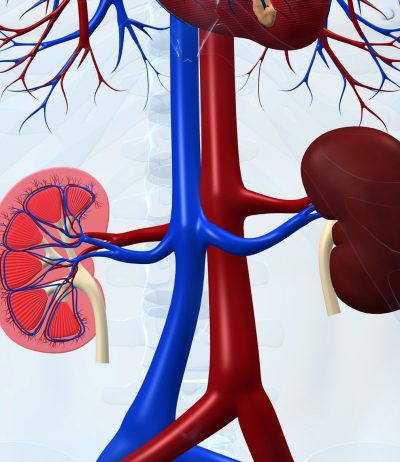
Minimally-invasive techniques can drastically reduce recovery time.
Both endoscopic and laparoscopic procedures are minimally invasive techniques for treating ureteral and uretero-pelvic junction conditions that require surgery.
- Technological advances allow these methods instead of traditional open surgery.
- Benefits include quicker procedures, less pain, and shorter healing.
Endoscopic and Laparoscopic Treatments

Laparoscopy is actually one type of endoscopic surgery, the latter being a broader term for any type of minimally invasive surgery that involves using a small, flexible tube with a video camera and light on one end (an endoscope) for endoscopic procedures and a laparoscope for laparoscopic procedures. Laparoscopy involves making incisions in the abdomen. Other endoscopies are localized in other parts of the body and may or may not require incisions.
How These Procedures Are Performed
For endoscopic treatment of ureter or uretero-pelvic junction conditions, a physician uses the camera tube to view the inside of the body and perform surgery without making the six- to 12-inch incision that is typical of open surgery.
Ureteral Stone Treatment
Endoscopic treatment is often used to remove or break up kidney stones. For example, when stones are present in the ureter, a ureteroscopy can often be performed. An endoscope is inserted into the urethra, through the bladder and into the ureter without the need for incisions. Stones are broken up if needed, then captured and removed with a small basket. A stent is usually left in the ureter for a few days to a few weeks to help keep it open and allow the kidney to drain.
Uretero-Pelvic Junction Obstruction
Laparoscopic surgery is also used to treat uretero-pelvic junction obstruction, a condition more common in children than adults. This involves a total or partial block of the junction between the kidney and ureter, called the renal pelvis. Since the ureter carries urine from the kidney to the bladder, the renal pelvis can become enlarged when it is blocked, and kidney damage may occur. If the obstruction doesn’t correct itself or respond to antibiotics, the blockage can be removed through laparoscopic pyeloplasty. The ureter is cut from the renal pelvis, the obstruction removed, and the ureter reconnected to the renal pelvis. A temporary stent is usually used to drain the renal pelvis and kidney as well.