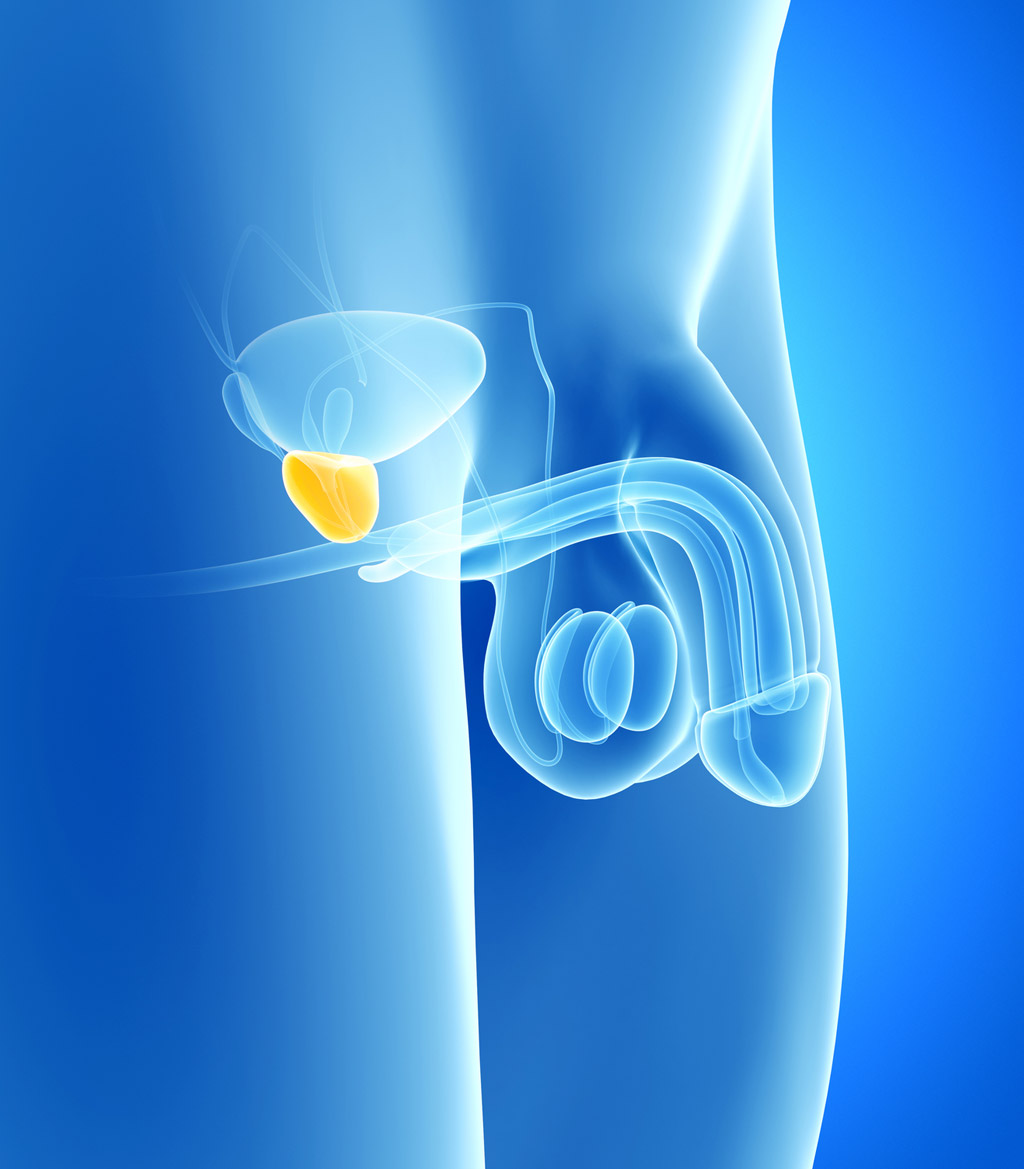
Brachytherapy
Brachytherapy is an option to consider for multiple cancers, such as prostate, lung, or esophageal cancer.
Brachytherapy is a medical treatment involving the placement of radioactive material inside the body. Sometimes also referred to as internal radiation, this procedure is used as a type of cancer treatment.
- Traditional radiation uses an external beam and the overall treatment time may be longer compared to brachytherapy.
- There are several elements to consider for this treatment, such as cancer type, cancer stage, and overall patient health to determine the best approach.
Preparation

Your doctor will discuss what to expect and if there are any additional steps before each appointment, such as refraining from food or getting the usage instructions for any medications changed. Patients may undergo certain imaging tests prior to brachytherapy, such as magnetic resonance imaging or computerized tomography.
Procedure
Interstitial and Unsealed Brachytherapy
The devices delivering the radiation may contain balloons, tiny seeds and wires. Doctors may use special applicators to deliver the radioactive material, such as hollow, long tubes. These would be inserted into the tissue receiving the radiation and the radioactive material is then released. For some patients, the narrow tubes need to be placed using a surgical procedure and imaging technology, such as ultrasound, may help to ensure the proper placement.
Types of Brachytherapy
This form of radiation treatment can be used with other cancer treatment options, or alone. There are three primary types. The high-dose type is usually performed on an outpatient basis. Each session takes up to 20 minutes and how often patients require sessions will depend on their cancer and overall regimen. The low-dose type usually releases for longer periods of time, up to several days in some instances. Since the radiation remains in the body for a longer period of time, patients generally remain in the hospital until the session is complete.