
Lymph Node Dissection
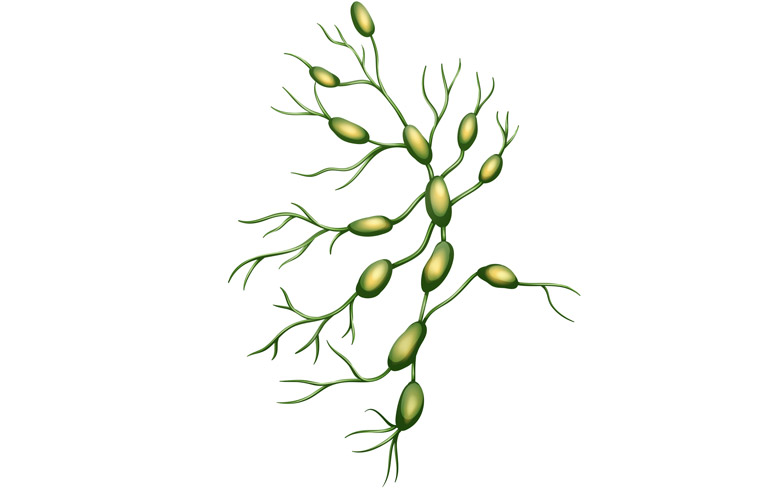
Lymph nodes play a role in important functions throughout the body, including ones involving the urinary and reproductive system.
When cancer affects any of the organs or tissues in this area, it sometimes travels from its point of origin to oval-shaped nodules of tissues called lymph nodes.
- Lymph nodes in the groin and behind the kidneys are often affected.
- A urologist may perform lymph node dissection if these tissues are cancerous.
Inguinal Lymph Node Dissection (ILND)
Inguinal lymph nodes are located in the groin
Nodes exist in superficial and deeper layers
Surgery removes both node layers
Located in the groin below the inguinal ligament by the largest of the pelvic bones, inguinal lymph nodes form two layers. One is a superficial layer being closer to the skin, and the other is a deeper layer located below it. Fluid from these lymph nodes flows to the pelvic lymph nodes and the paraaortic lymph nodes. ILND is increasingly being done with less-invasive surgical techniques through small incisions in the groin.
Inguinal Lymph Node Dissection Procedure
Both superficial and deep lymph nodes may be removed during ILND. Surgical techniques may vary depending on the reason for lymph node removal.
1
The superficial and deeper nodes are removed during the procedure.
2
A temporary drainage bag is used to prevent fluid build-up.
3
If ILND is being done because of testicular cancer, a radical inguinal orchiectomy may be performed.
4
This procedure is done through the spermatic cord to tie off blood vessels.
5
The same procedure also ties off lymph vessels associated with the testicle.
6
Less-invasive surgical approaches may use smaller incisions in the groin.
Retroperitoneal Lymph Node Dissection (RPLND)
Smaller incisions may be used with minimally invasive techniques.
Surgical instruments and a lighted scope may be used.
RPLND may cause retrograde ejaculation in men.
Sperm banking may be suggested before surgery.
Located behind the abdominal organs, retroperitoneal lymph nodes are lined up along part of the vena cava and aorta. During surgery to remove the retroperitoneal lymph nodes, a single incision is made around the bottom of the ribcage in the mid-abdominal area.
Reasons for Lymph Node Dissection
Lymph node dissection may diagnose cancer.
Surgery may treat cancer.
Procedures may prevent cancer spread.
Testicular cancer often spreads to retroperitoneal nodes first.
Both inguinal and retroperitoneal lymph node dissections are primarily done for three purposes: to diagnose cancer, to treat it, or to prevent it from spreading. Retroperitoneal lymph node dissection is usually recommended for patients with testicular cancer since this is the first place where this type of cancer usually spreads to if it goes beyond the testicles. Inguinal lymph node dissection and/or RPLND may also be done as part of treatment efforts for cancers originating in the vulva, anus, trunk of the body, and skin.

After Lymph Node Removal
1
Sentinel Lymph Node Biopsy
If ILND or RPLND is being done for diagnostic purposes, a urologic surgeon may remove the first lymph node in a particular chain that may be cancerous. This is referred to as a sentinel lymph node biopsy (SLNB). If tests show that tissues are cancerous, a treatment plan that may include removal of additional lymph nodes is recommended.
2
Additional Cancer Treatments
Surgical removal of urinary system lymph nodes is often combined with other treatments to ensure that all affected tissues have been removed. This typically includes chemotherapy and radiation therapy, or a combination of the two treatments.
3
Follow-Up Monitoring
Since having had one type of cancer sometimes increases the risk of developing other forms of the disease, urologists normally recommend periodic exams and tests after treatment and post-surgery care is completed.