

SpaceOar Hydrogel

Female-nurse-discussing-SpaceOar-Hydrogel-procedure-with-a-male-patient

SpaceOar hydrogel temporarily creates space between the prostate and the rectum to help reduce the rectum’s exposure to radiation.

The soft gel material used in the SpaceOar Hydrogel is composed of biodegradable material and will be completely absorbed by the patient’s body over time.

  • The goal of radiation therapy is to destroy cancer cells in the prostate without damaging surrounding healthy tissue.
  • Reducing the rectum’s exposure to radiation can help decrease tissue damage and toxicity.

The Benefits of SpaceOar

Protects rectal tissue during radiation
Helps reduce radiation-related complications
May improve patient quality of life
Procedure-order-form-for-prostate-cancer-SpaceOar-procedure-with-vials-of-liquid

Though there is already a small space between the prostate and rectum, there is still a significant risk of damage to the rectum. Damage to the rectum can cause issues with bowel function, such as chronic diarrhea, rectal pain and bleeding, and urinary urgency and leakage. Reducing the rectum’s exposure to radiation can help decrease tissue damage and toxicity, and lead to fewer complications and improved quality of life.

Clinical Study Results

A clinical study found improved bowel and urinary quality-of-life outcomes among patients receiving the SpaceOar Hydrogel.

These findings suggest SpaceOar Hydrogel may reduce long-term complications associated with radiation therapy.

1
A clinical study found that 66% fewer SpaceOar Hydrogel patients experience clinically significant declines in detectable bowel quality of life at median three years compared to control patients.
2
In addition, 66% fewer SpaceOar Hydrogel patients experienced clinically significant declines in detectable urinary quality of life at median three years compared to control patients.

Who is a Candidate?

Patients diagnosed with invasive adenocarcinoma or intraductal carcinoma of the prostate
Patients without extracapsular prostate cancer extension
Patients without perirectal or anal disease
Patients without active infection or inflammatory conditions
SpaceOar Hydrogel may help prevent damage from all types of radiation therapy, including external radiation, stereotactic body radiation therapy (SBRT), internal radiation, and proton beam therapy.

Eligibility Criteria

Perirectal spacing procedures, such as the SpaceOar Hydrogel procedure, are typically required when specific criteria are met. The patient must not have extracapsular extension of prostate cancer through the Denonvilliers’ Fascia involving rectal tissues. The patient must not have underlying perirectal disease, anal disease such as fistula, or active inflammatory or infectious conditions affecting the perineum, gastrointestinal, or urinary tract.
No urogenital abnormalities affecting injection access
No gastrointestinal abnormalities affecting access
Patient is not allergic to local anesthetic
No high-risk bleeding or serious comorbidities
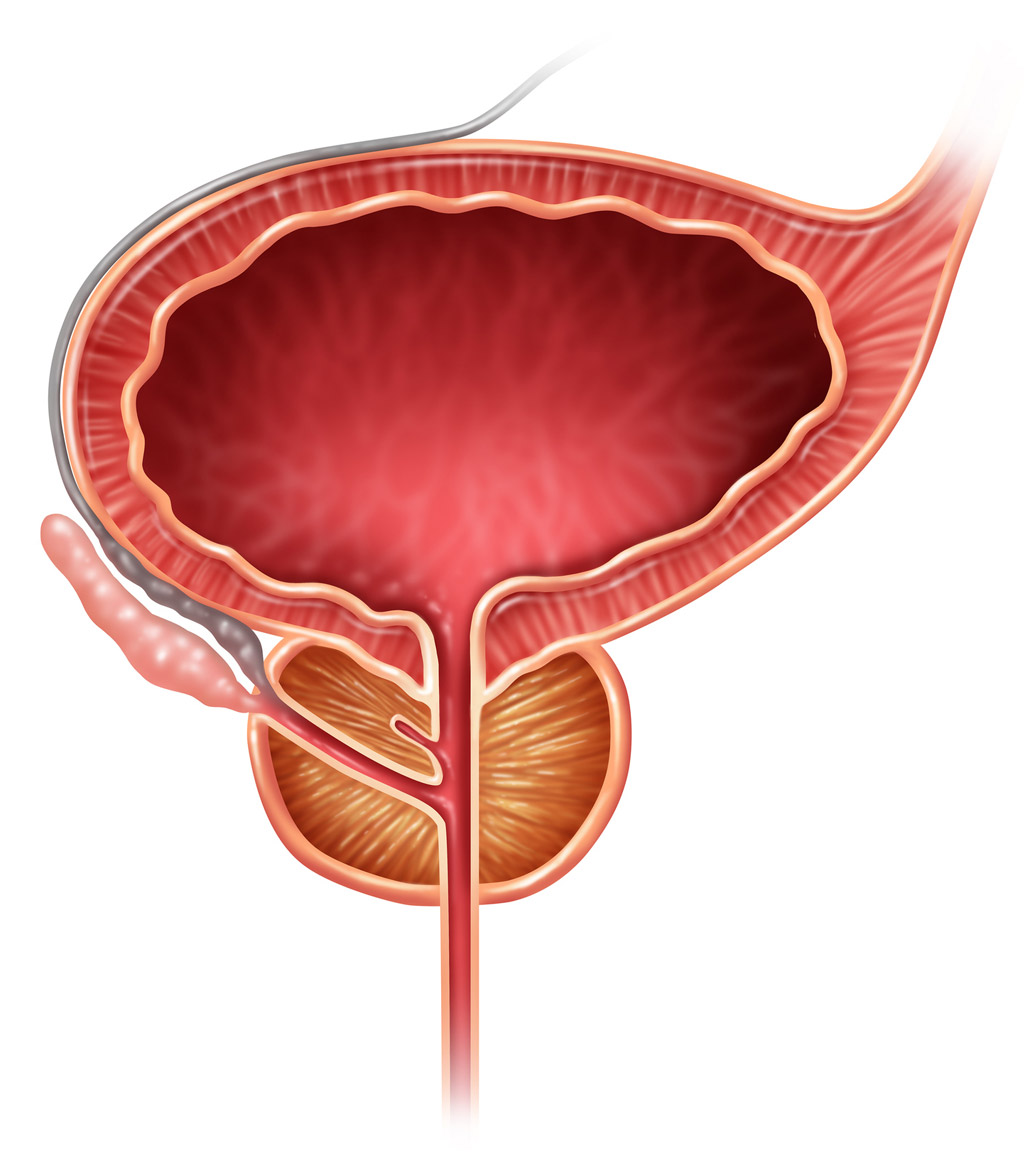
Illustration-of-a-prostate-gland-before-SpaceOar-procedure
Procedure and Possible Side Effects
1
What to Expect During the Procedure
Patients may choose to have the procedure performed under local, regional or general anesthesia. The doctor will use ultrasound imaging to inject the SpaceOar Hydrogel as liquid through a small needle. Patients may feel a pinprick or some pressure, but should not feel any discomfort.
2
Possible Side Effects
After the procedure, patients may experience pain at the injection site, constipation, rectal urgency, urinary retention, infection, or local inflammatory reactions.
3
Additional Risks
Additional risks include needle penetration of the prostate, bladder, rectal wall, rectum or urethra, injection of SpaceOar Hydrogel into surrounding tissues, injection of air or fluid intravasculary, rectal mucosal damage, ulcers, necrosis, and bleeding.