
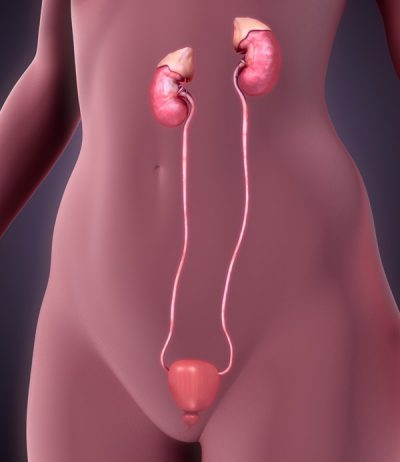
Ureter Cancer

ureter-cancer-anatomy

Visiting your doctor can help provide an early diagnosis of ureter cancer.

Affecting tubular structures connecting the kidneys and bladder, ureter cancer is a rare form of cancer that’s more common in older adults.

  • Ureter cancer occurs when abnormal cells form in a tube that carries urine from the bladder to the outside of the body.
  • For men, this same tube also transports semen.

Overview of Ureter Cancer

Linked to invasive bladder cancer
May spread to nearby reproductive organs
Treatment usually involves surgery
woman-describing-pain-from-ureter-cancer

Linked to invasive bladder cancer, ureter cancer has a tendency to spread to nearby areas, including the vagina and bladder in women and the prostate and areas around the penis in men. Nearby lymph nodes may also be affected. Treatment usually involves surgery.

Types of Ureter Cancer

Different types of cancer may affect tissues associated with the ureter and nearby structures.
1
The most common type of cancer that affects the ureter is squamous cell carcinoma, which affects surface cells by the bladder in women and in the penis in men.
2
Transitional cell carcinoma is a form of ureter cancer that usually develops in the prostate in men and around the opening of the urethra in women.
3
Several cancer types may develop in tissues associated with the ureter. Glands by the urethra are sometimes affected by adenocarcinoma.
4
Sarcoma is a type of cancer that rarely develops in this area. Melanoma is another cancer type that rarely develops in the ureter.

Causes, Risk Factors, and Symptoms

Blood in urine may occur.
Unexplained weight loss may develop.
Back pain may occur without clear source.
Discomfort while urinating or fatigue may occur.
It’s not clear what causes the DNA mutations and cellular irregularities associated with ureter cancer. Risk factors include having had kidney cancer or bladder cancer, being age 60 or older, having frequent urinary tract infections, human papillomavirus (HPV), and the long-term use of tobacco products.

Diagnosing Ureter Cancer

CT or MRI urogram imaging may be used.
Urine cytology may detect abnormal cells.
Ureteroscopy allows direct view of ureters.
Biopsy confirms diagnosis of cancer.

Following an initial physical examination, diagnosis normally includes image tests such as a computerized tomography (CT) urogram or a magnetic resonance urogram. A urine cytology test is sometimes done to look for abnormal cells in a urine sample. A urologist might perform a ureteroscopy with a lighted tube that has a camera attached to view the ureters. A cystoscopy may also be done to look inside the bladder for signs of cancer. A biopsy is done to determine positive diagnosis of cancer.

woman-in-pain-from-ureter-cancer
Chemotherapy, Radiation, and Surgery
1
Non-Surgical and Surgical Treatment
Chemotherapy and radiation therapy, either separately or combined together, may be attempted prior to considering surgery. Since ureter cancer is often detected in later stages, surgery is often the recommended treatment option. Surgery may only involve removal of all or part of the ureter if cancer is detected in an early stage.
2
Advanced Surgical Treatment
Other times, the urethra may be removed along with the bladder, prostate, vagina, parts of the penis, or lymph nodes. In some situations, the kidney and other nearby areas associated with the affected urethra may also be removed (nephroureterectomy). Reconstruction surgery is done either at the same time or as separate procedure to restore function and appearance.
3
Monitoring and Evaluation
Chemotherapy and radiation therapy are sometimes continued after surgery to ensure that all affected tissues are treated. Since ureter cancer responds better to early treatment, regular urological exams can be beneficial, especially for patients with a family history of cancers affecting reproductive organs or the urinary tract. Exams often completed during a visit to a urologist may include a digital rectal exam, blood and urine tests, ultrasound evaluations, and a semen analysis. Patients may also be evaluated for abnormalities in the bladder.